The Role of Wholesale Pricing in the Used Car Market
Defining Wholesale Prices for Used Cars
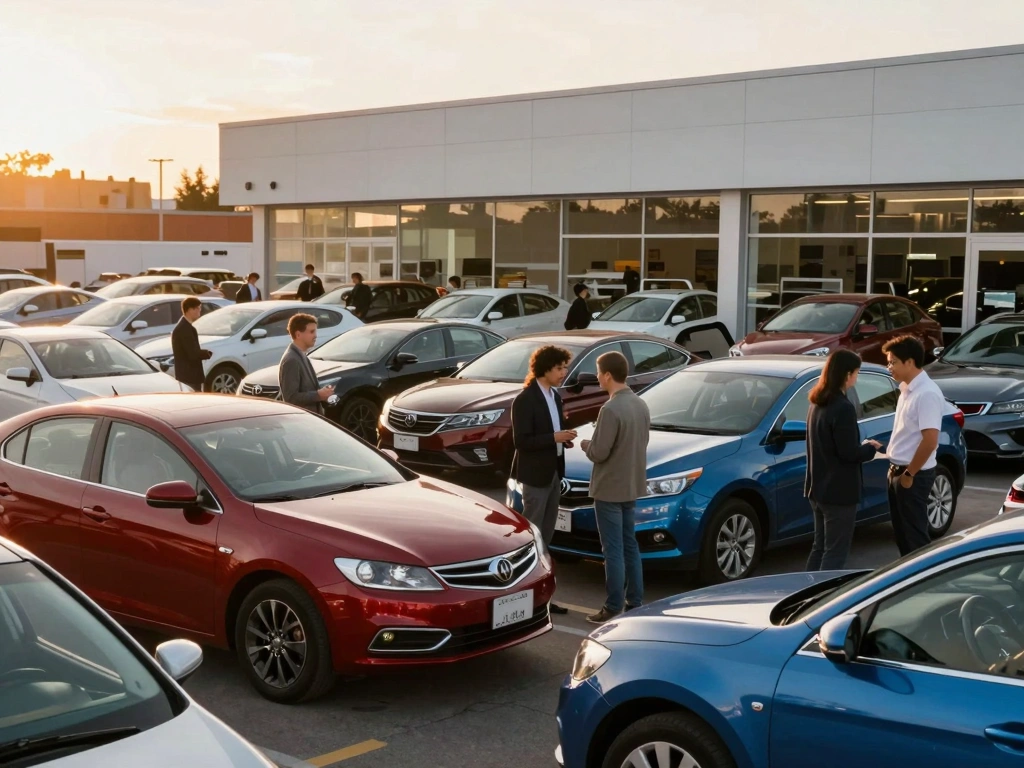
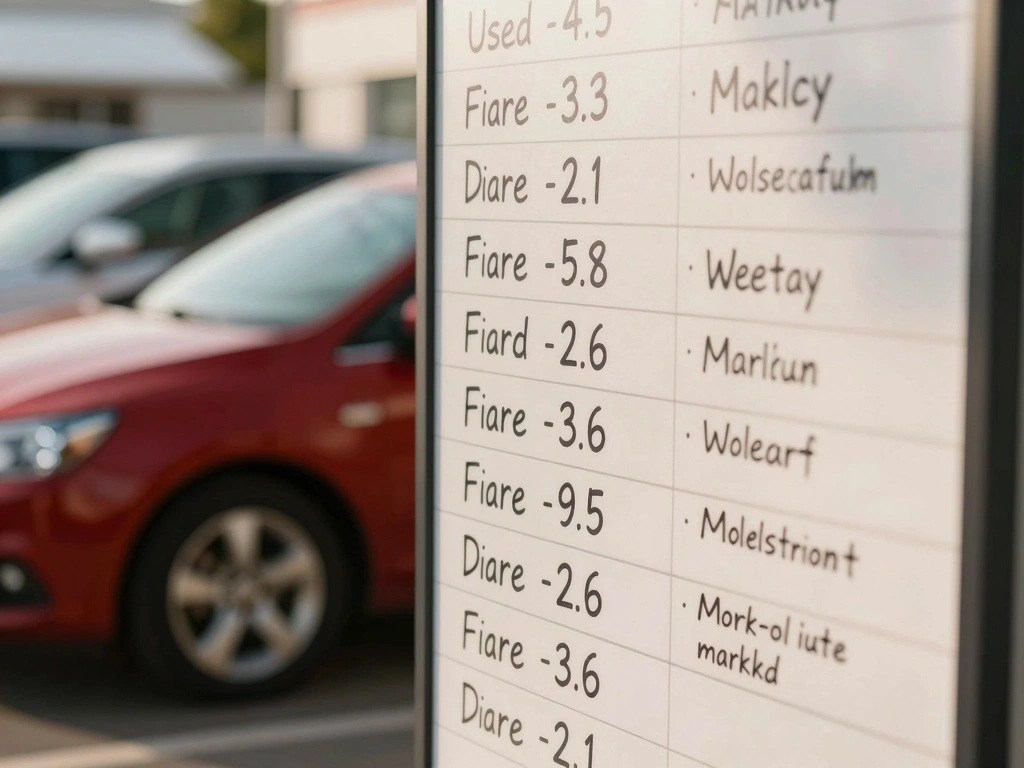
Wholesale prices in the used car market refer to the cost at which dealerships purchase vehicles from auctions, manufacturers, or other dealerships. These prices are typically lower than retail prices, allowing dealers to mark up the vehicles when selling them to consumers. Understanding the dynamics of wholesale pricing is crucial for grasping how retail markups are determined.
Factors Influencing Wholesale Prices
Several factors influence wholesale prices in the used car market, including:
- Vehicle Age and Mileage: Older cars with higher mileage generally fetch lower wholesale prices due to decreased demand.
- Condition: The physical condition of the vehicle, including its maintenance history, accidents, and repairs, significantly influences its wholesale price.
- Market Trends: Popular models or brands often have higher wholesale prices due to demand. For instance, SUVs and trucks may command higher prices than sedans in certain markets.
- Seasonality: The time of year can affect wholesale prices. For example, convertibles may see a price increase in spring as demand rises.
The Impact of Market Demand on Wholesale Pricing
Market demand plays a significant role in determining wholesale prices. When demand for used cars is high, wholesale prices tend to rise as dealerships compete for inventory. For example, during the COVID-19 pandemic, demand for personal vehicles soared as more people opted for private transportation, leading to an increase in wholesale prices. Conversely, when demand decreases, as seen during economic downturns, wholesale prices may drop, impacting retail markups.
How Retail Markups are Calculated from Wholesale Prices
The Markup Percentage: A Standard Approach
Retail markups are typically calculated as a percentage of the wholesale price. The markup percentage can vary based on several factors, including dealership policies, vehicle type, and local market conditions. A common markup percentage for used cars can range from 10% to 25%. For instance, if a dealer purchases a used car for $15,000, a 20% markup would result in a retail price of $18,000.
Cost Structures in Retail Pricing
In addition to the wholesale price, dealerships must consider various costs when setting retail prices. These costs can include:
- Operational Expenses: Costs related to running the dealership, such as rent, utilities, and salaries.
- Reconditioning Costs: Expenses incurred to prepare the vehicle for sale, including repairs and detailing.
- Marketing and Advertising: Costs associated with promoting the vehicles to potential buyers.
These factors contribute to the overall cost structure, influencing the final retail price beyond the initial markup percentage.
Adjustments for Vehicle Condition and Features
Dealerships often adjust retail prices based on the specific condition and features of the vehicle. For instance, a used car with low mileage, a clean history, and desirable features such as a sunroof or advanced safety systems may command a higher markup. Conversely, a vehicle that has experienced significant wear or has a poor service record may see a reduced markup. This nuanced approach ensures that retail prices reflect the true value perceived by consumers.
The Relationship Between Supply and Demand in Pricing
Understanding Supply Chain Dynamics
The supply chain in the used car market is influenced by various factors, including vehicle availability, auction activity, and trade-ins. When supply is low due to limited trade-ins or fewer vehicles being auctioned, wholesale prices increase, leading to higher retail markups. For example, in recent years, supply chain disruptions have resulted in fewer vehicles entering the market, causing significant price hikes at both wholesale and retail levels.
Seasonal Trends Affecting Supply and Demand
Seasonal trends play a critical role in the used car market. For instance, dealerships often experience higher demand in spring and summer months when families are looking to purchase vehicles for vacations or back-to-school seasons. This seasonal demand can lead to increased wholesale prices, ultimately affecting retail markups. Conversely, winter months may see a decline in demand, resulting in lower wholesale prices and markups.
Consumer Preferences and Their Impact on Pricing
Consumer preferences significantly influence both wholesale and retail pricing. Trends in vehicle types, such as a shift towards electric vehicles or SUVs, can impact wholesale prices for those segments. For example, as more consumers prioritize fuel efficiency, hybrid and electric cars may see increased demand at auction, raising their wholesale prices and subsequently impacting retail markups. Dealers who recognize these trends can adjust their pricing strategies accordingly to maximize profitability.
The Influence of Economic Factors on Wholesale and Retail Prices
The Role of Inflation and Interest Rates
Economic factors such as inflation and interest rates have a profound effect on the used car market. Inflation can lead to increased costs for dealers, which may be passed on to consumers through higher retail markups. For instance, if the cost of acquiring vehicles increases due to inflation, dealerships may raise their prices to maintain profit margins. Additionally, fluctuating interest rates can affect consumers' purchasing power; higher interest rates may deter buyers, leading to lower demand and potential decreases in both wholesale and retail prices.
Economic Indicators and Their Effect on Pricing Strategies
Dealerships often monitor economic indicators, such as unemployment rates and consumer confidence, to inform their pricing strategies. For example, during periods of economic uncertainty, consumers may be more cautious about large purchases, leading to decreased demand for used cars. In such scenarios, dealerships may adjust their wholesale purchasing strategies to avoid overpaying for inventory, which in turn influences retail markups. A dealership might reduce its markup on vehicles to stimulate sales during a downturn in consumer confidence.
Global Events Impacting Used Car Supply Chains
Global events, such as natural disasters, geopolitical tensions, or pandemics, can disrupt supply chains and impact both wholesale and retail prices. For example, the COVID-19 pandemic led to significant decreases in vehicle production, creating a shortage in the used car market. As a result, wholesale prices skyrocketed, directly influencing retail markups. Dealers faced challenges in sourcing inventory, leading to increased competition and higher prices for consumers.
Case Studies: Real-World Examples of Markup Adjustments
Case Study: Fluctuations in a Specific Market Segment
One notable example is the fluctuation in pricing for pickup trucks in the U.S. market. In 2021, demand for pickup trucks surged, leading to inflated wholesale prices. A dealer purchasing a used Ford F-150 for $30,000 might apply a markup of 25% due to its popularity, resulting in a retail price of $37,500. However, when the demand subsided in 2023, the same vehicle might only command a wholesale price of $25,000, leading to a considerable reduction in retail markup.
Analysis of Regional Variations in Pricing Strategies
Regional variations can also influence retail markups. For instance, urban areas often experience higher demand for compact cars due to limited space, while rural areas may favor larger vehicles. A compact car purchased for $18,000 in a city might have a retail price of $22,000, while the same vehicle in a rural area might see a lower markup, retailing for only $20,000. This discrepancy highlights how local consumer preferences can significantly impact pricing strategies.
Lessons Learned from Past Market Trends
Examining past market trends provides valuable insights into how wholesale prices influence retail markups. During the 2008 financial crisis, many dealerships faced a significant drop in demand, leading to reduced wholesale prices. To stimulate sales, dealerships were forced to lower retail markups, often resulting in losses. This experience taught dealers the importance of adjusting their pricing strategies based on economic conditions and market demand to remain competitive.